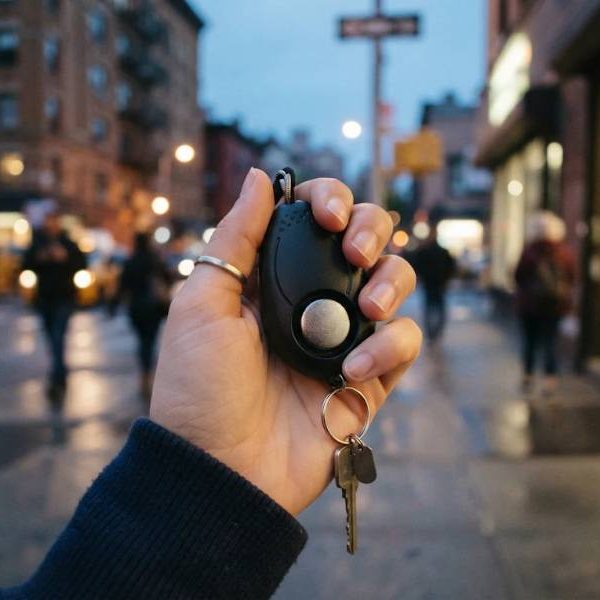
A personal safety alarm is a small device that makes a loud sound or sends an alert when you pull a pin or press a button. People carry them while jogging, commuting, walking home at night, travelling or caring for relatives. The idea is simple, but the market is crowded, and two alarms that look alike can perform very differently.
Here are the features worth comparing before you buy.
Sound Level and Tone
Most alarms advertise a decibel rating, commonly between 100 and 130 dB. Higher is not always better. A sharp, piercing tone cuts through background noise more effectively than a lower pitched one at the same volume. Check whether the maker explains how the measurement was taken, such as the distance from the device. A clear, reproducible test result is more useful than a large number on the box.
Activation Method
Pull pin alarms stop only when the pin is replaced, which makes them simple and hard to switch off by accident. Button alarms are easier to use with one hand but may trigger by accident in a bag. Some models combine both. Try the mechanism in a shop if you can, and think about whether you could operate it under stress and with cold hands.
Battery Life and Replacement
Check whether the battery is replaceable or rechargeable. Rechargeable models need regular charging, so a low battery warning is valuable. Replaceable batteries last longer, but you must remember to change them. Test your alarm every month, and write the date you replaced the battery on a note.
Size, Weight and Attachment
The best alarm is the one you actually carry. Keychain styles clip to bags, belts or lanyards. Wristband versions free the hands. Pocket models fit easily but may be harder to reach. Choose a size and attachment that suit your daily routine and clothing.
Extra Features
Some alarms add a flashlight, a strobe light or Bluetooth connectivity to a phone app that can send your location to contacts. These features can help, yet they add complexity and require a phone and signal. Decide which extras you will really use before paying for them.
Safety Standards and Certification
Look for compliance marks that apply in your country, such as CE in Europe or equivalent labels elsewhere. Products sold to consumers must meet general safety requirements, and regulators publish alerts for faulty goods. The US Consumer Product Safety Commission provides recall information and safety guidance for consumer products, which is useful when comparing devices.
Instructions and Language
Clear instructions make a real difference, particularly for something you may need in a stressful moment. Look for diagrams and plain language, and check that the manual is available in your language. Sellers who ship across borders must provide instructions and warnings in the language of the destination market. This overview of GPSR translation requirements explains what product information is expected for the European market.
Reaching Customers in Their Language
Security retailers that serve diverse communities benefit from multilingual product pages and manuals. For example, Urdu translation services let shops provide accurate instructions and descriptions to Urdu speaking customers and avoid mistakes that could affect safe use.
Realistic Expectations
An alarm is a deterrent and a way to attract attention. It does not make you invincible. Combine it with sensible habits, such as staying aware of your surroundings, sharing your route with a friend, keeping your phone charged and walking in well lit places. Take a short personal safety class if one is offered locally.
Legal Points to Check
Personal alarms are legal in most places, but rules for items such as sprays and stun devices vary widely. Alarms that make noise are generally the simplest option. If you plan to travel with your device, check airline and local rules on batteries.
Choosing an Alarm for Different Users
Needs differ. Runners favour light wristbands, students often choose a keychain model, and older adults may prefer a larger button that is easy to press. Parents of teenagers should explain how and when to use the device. For people who work alone, such as delivery drivers or home carers, an alarm that connects to an emergency contact can add reassurance.
Alarms in the Home and When Travelling
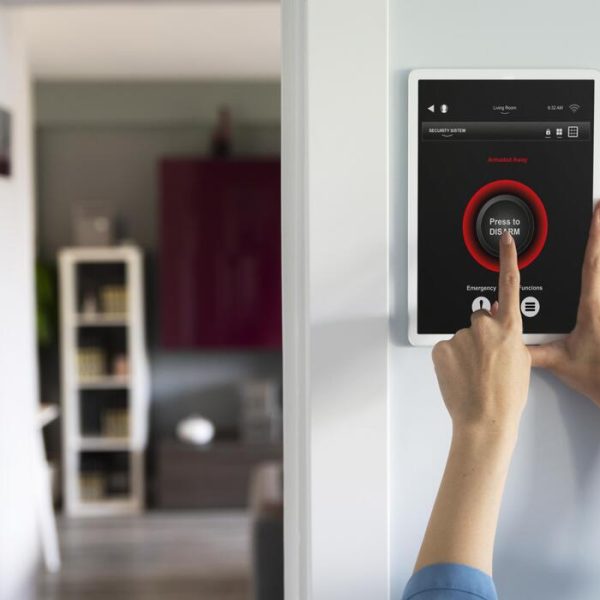
Door and window alarms, portable travel alarms and wearable panic buttons all have a place. Travellers can use a small door alarm in hotel rooms, while wearable buttons help people who live alone and want fast help in an emergency. Match the device to the situation instead of buying one product for every purpose.
Buying Tips
Buy from reputable sellers, read recent reviews, check return policies and avoid listings with exaggerated claims. Test the alarm when you receive it, with neighbours warned, so you know exactly how it sounds and how to stop it.
Maintenance and Storage
Keep the device clean and dry, check it monthly and replace it if the case cracks or the sound weakens. Store spare batteries in a safe place. A small alarm that works when needed is far better than a premium one that has been forgotten in a drawer.