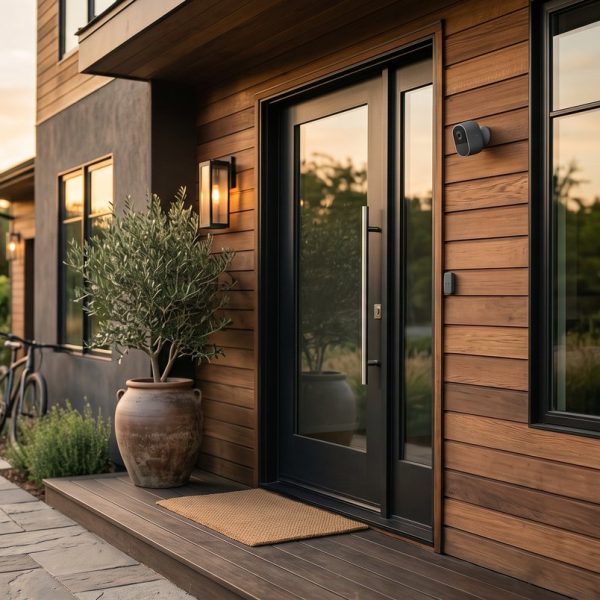
For years, home security meant signing a multi-year contract and paying a monthly monitoring fee on top of the hardware. That is changing fast. Search interest in the best home security system without subscription has climbed steadily, and manufacturers have responded with cameras, sensors, and hubs that work perfectly well without a recurring bill. The trade-offs are real, but for a lot of households a subscription-free setup covers almost everything they actually need.
What the monthly fee actually buys
Before you decide to skip it, it helps to know what a subscription pays for. The big one is professional monitoring. A monitoring center watches your alarms around the clock and, when one trips, calls you and can dispatch police or the fire service even if you are asleep or unreachable. Most paid plans also include cloud video storage, so recorded clips live on a server rather than on a card at home, plus cellular backup that keeps the system online if your internet or power goes down. Those are genuine benefits, not upsells for their own sake.
What you keep without paying anything monthly
Here is the part that surprises people. Self-monitoring, where the system alerts your phone directly instead of a call center, is now very capable. You still get instant notifications, live camera feeds, two-way audio, and loud on-site sirens that scare off most opportunistic intruders. The core deterrent, a visible camera and an alarm that actually goes off, does not depend on a subscription at all. A basic alarm works on the same principle whether or not anyone is paid to watch it, as the overview of how a security alarm works makes clear.
How much a home security system costs
The honest answer to how much a home security system costs depends entirely on the model. With a monitored plan you might pay a lower upfront price but commit to twenty to sixty dollars a month, which adds up to hundreds of dollars a year, every year. A subscription-free kit flips that. You pay more for the hardware once, often somewhere between one and three hundred dollars for a starter set, and then nothing after that. Over three or four years the no-fee route is usually cheaper, sometimes dramatically so.
Building a DIY home security system
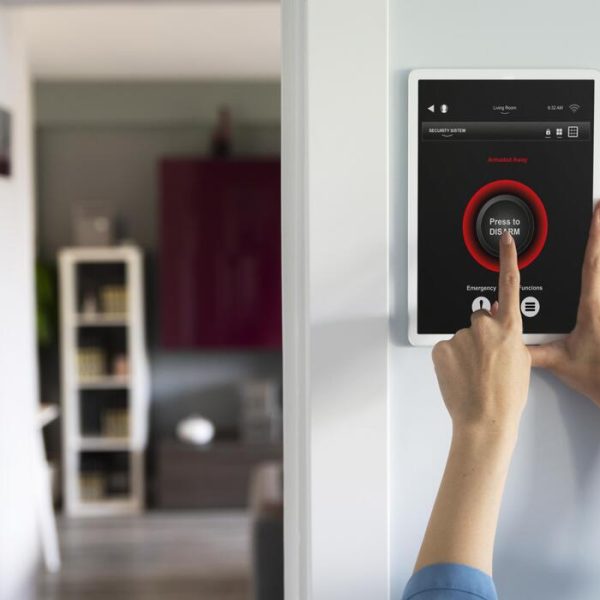
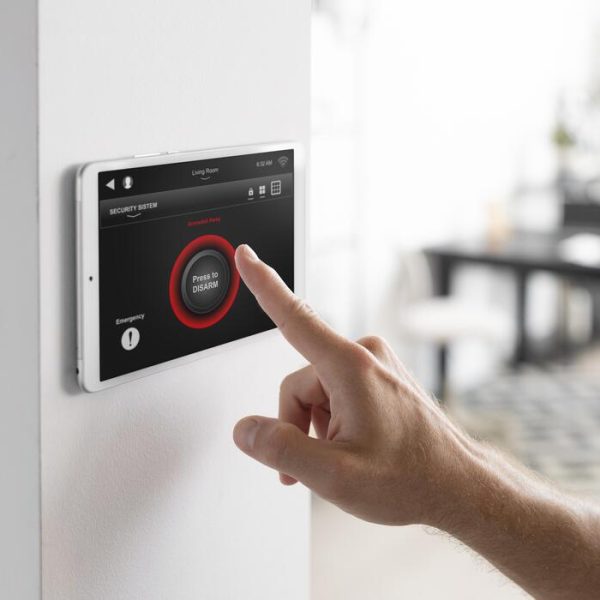
A capable DIY home security system is mostly a matter of stacking the right pieces. Start with entry sensors on the doors and ground-floor windows, add a motion sensor or two for hallways, and place a camera where it can see the main approach to the house. A hub or base station ties everything together and sounds the siren, while a keypad or app arms and disarms it. Communities like r/homedefense are full of real setups and honest reviews if you want to see what works before you spend anything.
Where subscription-free setups fall short
It would be dishonest to pretend there is no downside. Without professional monitoring, nobody dispatches help if an alarm sounds while you are on a flight with your phone switched off. Free cloud storage, when it is offered at all, is usually limited to a few days or a handful of clips, so serious evidence may need local storage or a paid tier. And most no-fee systems drop their cellular backup, meaning a cut internet line or a power cut can take them offline. Whether those gaps matter depends on your home, your neighbourhood, and how often you travel.
Subscription-free security hardware trades convenience for control, and the trade is only visible once you read the specification carefully. Reading online betting platforms the same way is instructive, since the features presented as user benefits are usually retention mechanics. Ask what the design is optimising for and the picture changes.
Subscription-free security appeals particularly in cities with a large stock of older housing being renovated. Owners want protection without a monthly commitment. That renovation wave is a visible part of how cleveland ohio has changed over the past decade.
Is a free home security system actually free?
Be a little skeptical of the phrase. A free home security system almost always means no monthly fee, not free equipment. You still buy the cameras and sensors up front. What you avoid is the open-ended subscription, and for many people that is the whole point of going this route.
Placement matters more than brand
Whatever kit you choose, where you put things decides how well it works. Burglars usually enter through a front or back door, so cover those first rather than splurging on a camera for a quiet side wall. Mount cameras high enough that they cannot be knocked away but low enough to catch a face, and keep sensors on the windows most hidden from the street. A modest, well-placed system beats an expensive one pointed at the wrong corner of the garden.
Security is only part of a safe home
Finally, keep the bigger picture in view. Cameras and sensors guard against intruders, but they do nothing for the risks that hurt far more people, like fire. Pairing your security setup with a simple fire escape plan covers a threat no alarm brand advertises. The same instinct applies online, where the care you take locking your doors is worth extending to your accounts and to any sensitive paperwork, which is why keeping confidential documents secure deserves equal attention. Real safety at home is layered, and the best system is the one you will actually arm every single day.